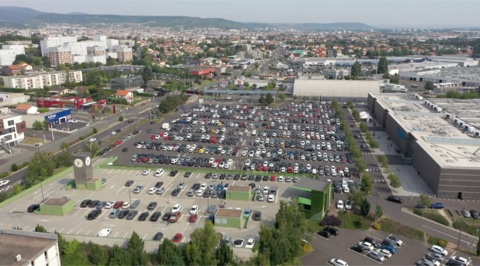
On the outskirts of our cities, dotted with car parks and roundabouts, retail zones attract thousands of customers every weekend who come to fill their trolleys at hypermarkets, shop in stores, and also spend a family afternoon strolling around. In France, 7 out of 10 purchases are made in these “temples of commerce,” which offer attractive prices and an enormous range of products. From the September back-to-school season to sales periods and Christmas, we take a deep dive into the behind-the-scenes world of these retail zones.
For a year, we investigated behind the scenes of La Pardieu in Clermont-Ferrand. A key retail area for the 300,000 inhabitants of the urban area. In the 1960s, it was an industrial wasteland. Today, La Pardieu is part of the landscape. With its 2,000 employees, this commercial hub is the largest economic centre in the Auvergne metropolitan area.
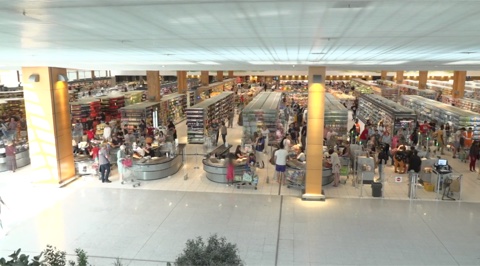
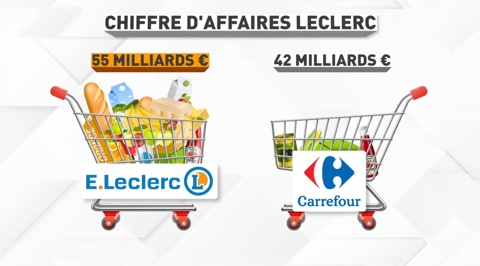
At the heart of the area is the Leclerc hypermarket, one of the three largest in France. Run by the Buchard family, one of the wealthiest families in French mass retail, this store employs 650 people and sells around 200 million euros’ worth of goods each year through its aisles. The brand’s promise: low prices all year round, to combat the rising cost of living and compete with other chains such as Auchan, whose store is less than five minutes away.
To attract families, the Buchards have not hesitated to set up their subsidiaries in the same area: a parapharmacy, a car repair shop, a drive-through service, and more recently, a toy store. Under the management of Florient Grégoris, the store runs from 8 a.m. to 8 p.m. at full speed.
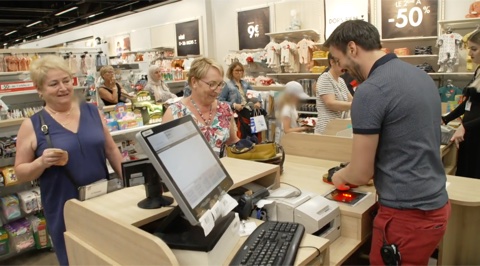
These large national chains compete fiercely with one another. Sports goods, DIY, and home décor stores all rely heavily on promotional offers to attract customers. Between day-to-day management, recruitment, and bulk purchasing, how do these brands manage to keep stores running where low prices are displayed year-round? Especially as discount retailers like Easy Cash are also present in the surrounding area.
In the middle of this jungle of brands, small independent businesses are trying to carve out a place and claim their share of the market: restaurants, bakeries, or gyms. They are making considerable efforts to survive among these giants. In this busy sector, clever players offer services to retailers to optimise their sales: using data extracted from your mobile phones, analysing your receipts, your tastes, and your purchases—nothing escapes these start-ups that track you throughout your shopping journey.