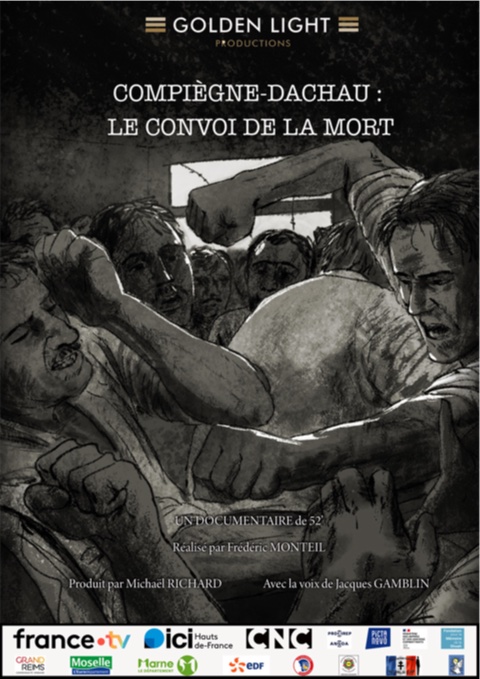
On July 2, 1944, at 9:15 a.m., the whistle of the stationmaster at Compiègne signals the departure of one of the most sinister trains in the history of French deportation. Destination: Dachau.
Inside 22 cattle cars, 2,152 prisoners — most of them members of the Resistance — are crammed in by force by the Germans. Sitting is impossible. They must travel standing up, pressed tightly against one another. Each prisoner is left with only a tiny patch of floor space. The journey promises to be unbearable.
Since the Allied landings in Normandy a month earlier, the Resistance has intensified acts of sabotage. Convoy no. 7909 is repeatedly forced to stop, each interruption raising the hope of possible liberation. As a result, the journey stretches over four days. The train crosses five départements and around thirty towns and villages in what is now the Grand Est region of France.
And against all expectations, the death toll reaches unimaginable proportions. In the early summer of 1944, temperatures are breaking records. Inside the sealed wagons, the heat becomes overwhelming, the air unbreathable. On the verge of collective asphyxiation, driven mad by the overcrowding, prisoners fight one another for a little water, a little air. Some, armed with knives or forks that escaped the searches, attack their neighbors. Others collapse unconscious. Many die from suffocation. The wounded are finished off with a bullet to the neck by the Germans. Despite the prisoners’ desperate cries for help, the guards refuse to open the wagon doors to let in air or distribute water.
The tragedy unfolds in France itself, before the eyes of civilians gathered at every station the train passes through, and members of the Red Cross who repeatedly attempt to aid the survivors. On July 5, at 3 p.m., when the train finally arrives at Dachau, around one third of the prisoners are dead. Estimates range between 500 and 1,000 victims. “A mortality rate comparable to Oradour,” according to historian Laurent Thiéry. In one wagon carrying 100 prisoners at departure, only a single Frenchman survived. The lifeless bodies are removed from the wagons and transported to the camp crematorium. The survivors, forever traumatized by this journey into hell, would later nickname the convoy “The Death Train.”
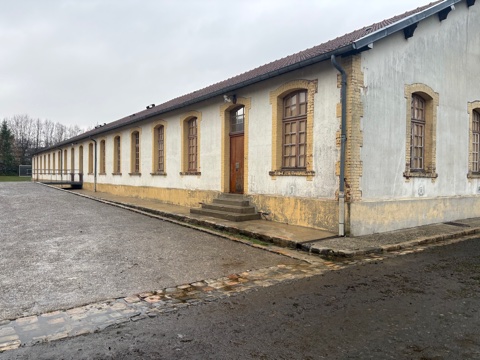
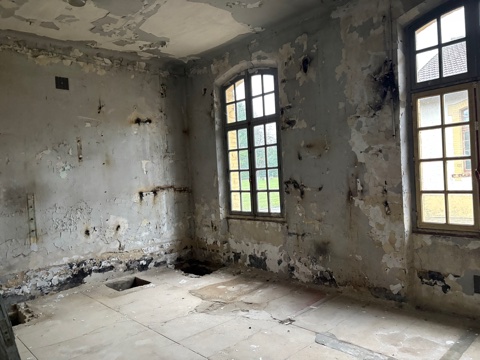
Drawing on archival footage, 2D animation, and interviews with survivors and historians, this documentary sheds light on a little-known tragedy, 80 years after the liberation of Dachau and the Royallieu-Compiègne camp. It also revisits the history of the Royallieu internment camp in northern France, where 50,000 prisoners were held, including 3,000 Jews, the majority of whom were deported to German concentration and labor camps, often via Dachau, or sent to extermination camps such as Auschwitz in the case of Jewish prisoners.